Diesel Truck Breakdown Prevention Tips to Avoid Emergency Stops Around Des Moines
Diesel truck breakdowns rarely happen without warning. This guide explains how small issues—like low tire pressure, coolant loss, battery faults, or air-system problems—lead to roadside failures, and how consistent inspections and preventive maintenance in Des Moines help keep trucks safe, reliable,
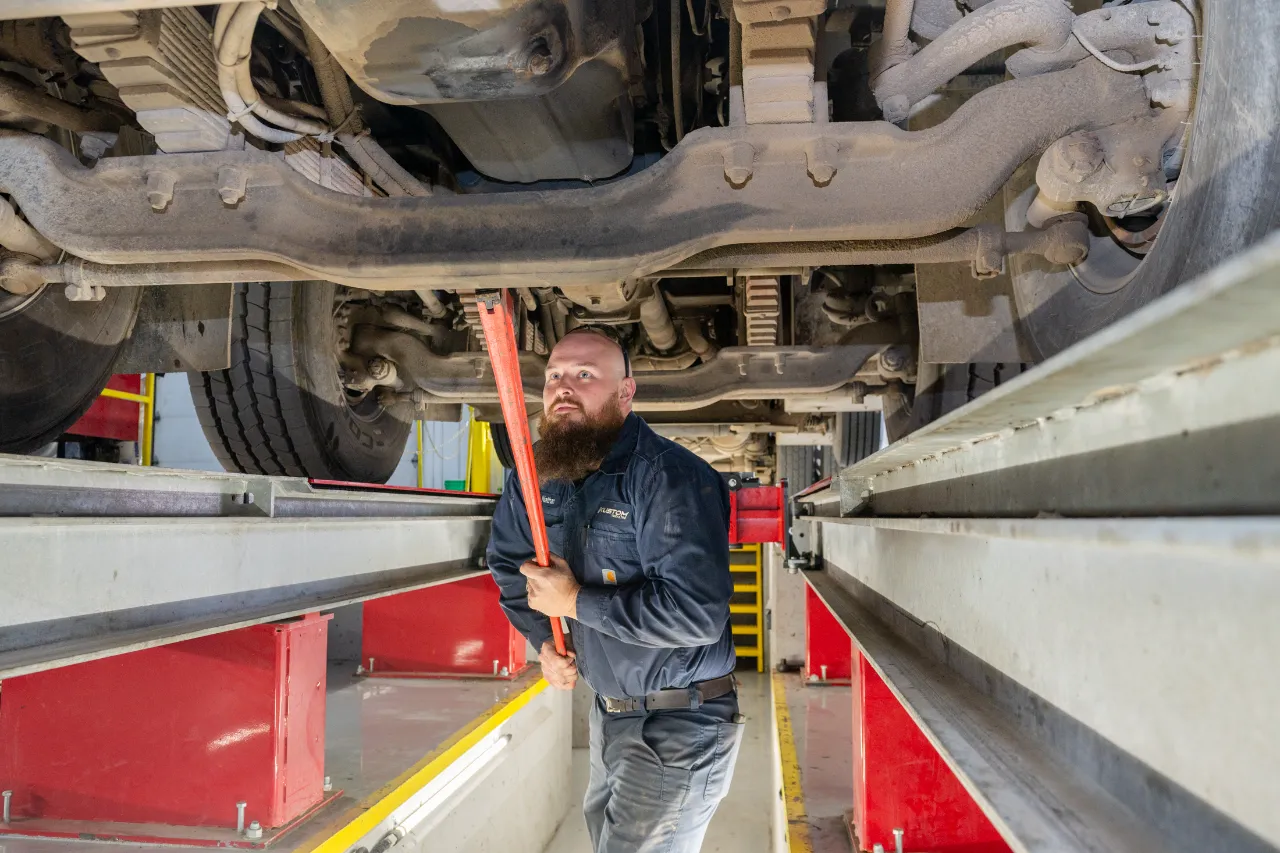
Unexpected roadside failures usually originate from unnoticed small issues like coolant leaks, battery problems, low tire pressure, moisture, restricted fuel flow, or ignored warning lights. Preventing diesel truck breakdowns relies on disciplined inspections, scheduled maintenance, and fixing minor faults early. Federal regulations mandate systematic inspections, repairs, and ensuring vehicle safety before driving.
For operators working around Des Moines, IA, that preventive approach is even more crucial because local and regional trucking often combines highway driving with stop-and-go traffic, variable weather, and tight schedules. These conditions make dependable tires, brakes, cooling performance, charging capacity, and air-system integrity even more important. A formal maintenance plan reduces downtime, enhances safety, and lowers the risk of emergency stops that can disrupt deliveries and put drivers at roadside hazards.
Why Breakdown Prevention Matters
A roadside breakdown can cause missed loads, towing fees, late deliveries, lost driver hours, and preventable secondary damage. Preventive maintenance tackles these risks by identifying abnormal wear, fluid problems, and early signs of part failure before they worsen. Federal maintenance rules recognize this by requiring safe operating conditions and routine maintenance instead of fixing things only after they break down.
Likewise, a preventive program enhances decision-making. When inspections are routine, it becomes easier to spot trends such as repeated coolant top-offs, recurring low tire pressure, or gradual changes in brake response. These trends often indicate early signs of developing failures.
In practical terms, preventing breakdowns isn’t just about performing more maintenance; it’s about doing the right maintenance at the right time.
Build Prevention Around A Consistent Inspection Routine
The key to preventive maintenance is consistency. A truck that is thoroughly inspected before operation is much less likely to experience a sudden failure later in the day. FMCSA guidance linked to 49 CFR 396.13 states that before operating the vehicle, the driver must inspect it and be confident that it is in a safe operating condition.
This principle makes the pre-trip inspection one of the most effective tools for preventing emergency stops.
Focus On What Commonly Causes Roadside Failures
A productive inspection routine should focus on systems that most frequently cause service interruptions.
Tires And Wheels
Tires should be checked for proper inflation, uneven wear, visible damage, embedded objects, and signs of separation or casing issues. Michelin emphasizes that correct inflation is crucial for tire integrity, braking, and vehicle handling, and recommends regular pressure checks. Federal regulations also prohibit operating commercial motor vehicles with certain tire defects, such as exposed ply or belt material, tread or sidewall separation, and other unsafe conditions.
Brakes And Air System Components
The condition of the brake system should never be left to chance. Bendix emphasizes that clean, dry compressed air helps protect reservoirs, valves, and other components, while also reducing maintenance needs and preventing freeze-up. Moisture, contamination, and neglect of air-dryer service can shorten component lifespan and lead to breakdowns or air-supply problems.
Fluids, Belts, And Leaks
A quick check of engine oil level, coolant status, visible hoses, and belt condition can identify emerging issues before they cause a truck to break down. Cummins emphasizes that regular maintenance is essential for reliability because diesel engines operate under high heat, pressure, and contamination.
Keep Tire Issues From Becoming Emergency Stops
Tire-related failures remain among the most common and avoidable causes of unscheduled stops. A slow leak or chronic underinflation may not seem urgent during dispatch, but it raises heat, affects handling, accelerates wear, and can set the stage for casing damage or roadside failure. Underinflation can increase fuel consumption, and proper pressure supports safety and performance.
Best Practices For Tire Reliability
Check Pressure When Tires Are Cold
Cold-pressure checks offer a more dependable baseline for maintenance decisions. Pressure should align with the tire’s load and application needs rather than guesswork or visual inspection alone. Michelin’s commercial guidance stresses that the correct pressure is essential for safety, braking, and tire durability.
Watch For Uneven Wear Patterns
Feathering, cupping, shoulder wear, or center wear may indicate alignment issues, inflation errors, or suspension concerns. A tire problem is not always just a tire issue. Detecting these patterns early can prevent a simple wear problem from leading to a blowout or vibration complaint. Michelin’s fleet-support materials highlight routine tire evaluation as part of maintaining assets in service.
Inspect Wheel Ends At The Same Time
A tire that heats up may indicate a more serious wheel-end problem, such as bearing issues or brake drag. Bendix’s seasonal maintenance advice specifically guides fleets to focus on wheel-end care as part of uptime-centered maintenance.
Protect The Cooling System Before Heat Takes You Off The Road
Overheating remains one of the most disruptive causes of diesel breakdowns. When temperatures rise too high, a truck may lose power, trigger warnings, or need to stop immediately to prevent engine damage. Preventing this relies on maintaining the diesel engine cooling system properly and reacting quickly to early warning signs.
Engines operate under extreme heat and contamination, which is exactly why scheduled servicing is important. Fleetguard also explains that coolant analysis can support preventive maintenance by detecting trends and cooling-system issues before they become serious.
Cooling-System Prevention Tips
- Do Not Ignore Falling Coolant Levels: Repeated top-offs usually indicate a leak, a cap problem, or another system fault. Adding coolant without locating the source only delays the proper repair. Fleetguard’s coolant-analysis guidance is focused on identifying patterns and alerting operators to emerging cooling-system problems.
- Inspect Hoses, Clamps, and Belt-Driven Components: A weak hose, a loose clamp, or a worn belt can quickly escalate from a minor issue to a no-drive condition. Since cooling reliability depends on continuous circulation and airflow, it’s important to regularly check the belt for leaks.
- Monitor Temperature Behaviour, Not Just Warning Lamps: An engine that gradually warms up during traffic, under load, or at idle often gives early warning signs of a developing cooling problem. Waiting for a shutdown or severe overheating warning leads to much bigger repairs.
Take Air Brake And Air-System Maintenance Seriously
Brake and air system failures create some of the most dangerous emergency-stop scenarios in heavy-duty service. Moisture in the air system, neglected air dryers, leaks, and component wear can all compromise reliability. Air dryers provide clean, dry air to reservoirs, valves, and other components, increasing air brake system life, reducing maintenance costs, and helping prevent freeze-up.
Practical Air-System Prevention Measures
- Include Regular Air Dryer Service: An air dryer is not a set-it-and-forget-it component. Bendix’s maintenance guidance emphasizes air-dryer inspections and maintenance as key ways to protect air-connected technologies and ensure reliable operation.
- Inspect For Leaks And Slow Pressure Build-Up: Air leaks, abnormal compressor cycling, and slow pressure recovery can all signal impending failures. These problems might start as minor annoyances and eventually lead to serious drivability or brake-performance issues. Bendix’s air-management guidance highlights the importance of air treatment in protecting system components and minimizing maintenance risks.
- Review Brake Performance During Daily Operation: A truck that stops unevenly, pulls, drags, or exhibits inconsistent brake feel warrants immediate inspection. Brake and air-system maintenance is key to uptime, safety, and component longevity.
Do Not Overlook Batteries And Charging Performance
Starting and charging problems are common causes of avoidable no-starts. Heavy-duty vehicles depend on a healthy battery and charging system to power startup functions and support electrical loads. Battery Council International describes batteries as vital to specialized transportation and provides technical manuals focused on proper testing and evaluation of automotive-type batteries.
Electrical Prevention Priorities
Test Weak Cranking Before It Becomes A No-Start
Slow cranking, repeated jump-starts, or intermittent low-voltage issues should be viewed as warning signs, not minor inconveniences. A battery that is barely sufficient in mild conditions may fail entirely during more demanding starts or when accessory loads increase.
Inspect Cables And Connections
A healthy battery cannot make up for loose, corroded, or damaged connections. Voltage loss due to cable issues can mimic battery failure and lead to inconsistent starting performance.
Stay Ahead Of Fuel And Filtration Problems
Restricted fuel delivery is another common cause of power loss and shutdown complaints. Fuel quality issues, neglected filters, or contamination can reduce engine performance and cause hard starts or no starts.
Prevention Tips For Fuel-System Reliability
Treat Filter Service As A Schedule Item
A clogged filter usually shows itself gradually through decreased performance, harder starts, or uneven power delivery. It can be avoided by regular scheduled maintenance before the truck stalls on the road.
Investigate Power Loss Early
A truck that feels flat under load might be experiencing restricted fuel flow, not just a temporary performance issue. Early inspection helps prevent a full roadside shutdown. Scheduled service is meant to avoid that kind of operational disruption.
Manage Warning Lamps And Dash Messages Promptly
Many breakdowns provide notice via the instrument panel before the truck becomes immobile. Warning lamps, maintenance reminders, and system alerts should be addressed promptly rather than ignored as background noise.
A disciplined response to warning signals enhances safety and repair precision. Waiting until a lamp shows derate, no-start, or overheating issues almost always raises the cost and hassle of repairs. Preventive maintenance works best when alerts prompt inspections early, before a failure worsens.
Use Records To Strengthen Prevention
Maintenance records are more than just paperwork. They help identify recurring issues, verify service intervals, and show whether a problem is isolated or ongoing. FMCSA’s guidance on vehicle inspection records and DVIR retention emphasizes the importance of documented review and repair certification within a compliant maintenance program.
Good records also help shops make better recommendations. If a truck has repeated tire-pressure corrections, multiple coolant additions, or ongoing air leaks, the pattern itself becomes diagnostic evidence. That is how preventive maintenance shifts from routine service to effective failure prevention.
Create A Practical Breakdown-Prevention Routine
A formal prevention plan doesn't have to be complicated to work. It just needs to be consistent. For most diesel trucks, this means a careful pre-trip inspection, scheduled fluid and filter services, regular air brake checks, monitoring tire pressure, keeping an eye on the cooling system, and quickly responding to warning lights or drivability issues. Federal regulations require regular maintenance, and manufacturer advice consistently links scheduled service with better uptime and reliability.
For fleets and owner-operators around Des Moines, IA, that routine can mean the difference between a scheduled service visit and a costly emergency stop on the shoulder. A truck rarely breaks down without leaving signs first. The real benefit comes from spotting those signs while they are still manageable.
Conclusion
Preventing diesel truck breakdowns depends on discipline, not guesswork. Keeping up with preventive maintenance, performing careful pre-trip inspections, protecting the diesel engine cooling system, maintaining correct tire pressure, checking the battery and charging system, and ensuring air brake inspection and filtration are up to date all lower the risk of emergency stops and help maintain both uptime and safety.
If your truck shows early warning signs or your fleet needs a more reliable maintenance plan in Des Moines, IA, contact Kustom Truck & Tire to fix small problems before they lead to roadside failures.
More Articles

.webp)
.webp)
Contact Kustom Truck & Tire
Kustom Truck & Tire offers professional diesel mechanics for light to heavy-duty truck repair, commercial fleet maintenance, and roadside assistance in Des Moines, Iowa.
Get in touch with any questions, to request a quote, and to schedule service in Des Moines or the surrounding areas!