How to Spot Tire Wear Before It Causes a Breakdown
Learn how to spot tire wear before it causes a breakdown. This guide covers tread depth, tire pressure, uneven wear patterns, sidewall damage, and preventive maintenance tips to help heavy-duty truck operators improve safety, reduce downtime, and extend tire life.
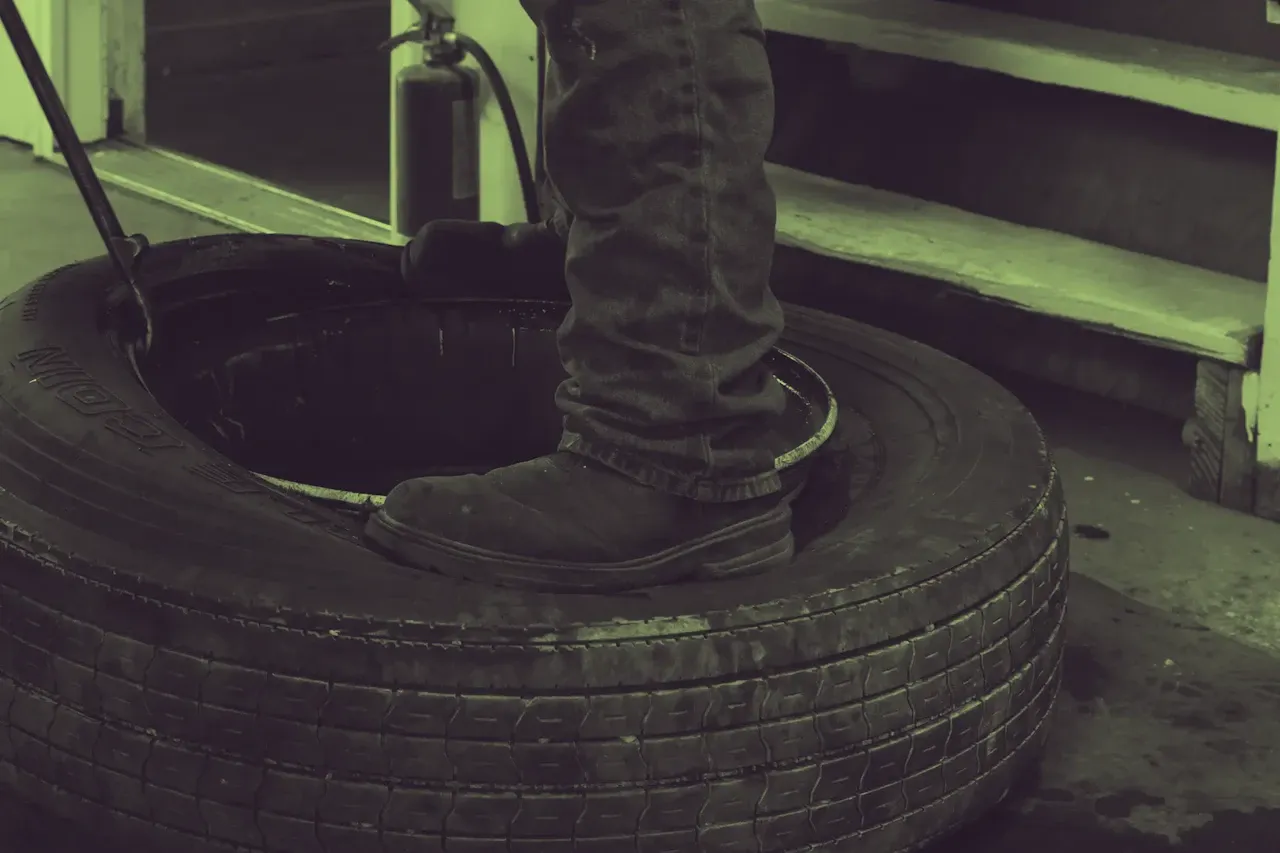
Tire wear is one of the most common causes of preventable truck breakdowns. By regularly checking tread depth, tire pressure, wear patterns, and sidewall condition, drivers can identify problems early, improve safety, extend tire life, and avoid costly roadside repairs that lead to downtime and lost productivity.
Check Your Tread Depth Regularly
One of the simplest ways to monitor commercial truck tire wear is by measuring tread depth.
Tread provides the grip your truck needs to maintain traction on wet, icy, or uneven surfaces. As tread wears down, your ability to control the vehicle decreases significantly.
Signs your tread may be too low include:
- Reduced traction during rain
- Longer braking distances
- Increased wheel spin
- More frequent hydroplaning
While regulations establish minimum tread requirements, replacing tires before they reach those limits often provides a safer margin for heavy-duty operations.
Watch for Uneven Tire Wear Patterns
Not all tire wear is created equal. Different wear patterns can reveal underlying mechanical issues that require attention.
Center Wear
When the center of the tire wears faster than the edges, overinflation is often the culprit. Excessive air pressure causes the middle section of the tread to carry most of the load.
Edge Wear
If both outer edges wear faster than the center, underinflation may be the problem. Low pressure increases friction and causes the tire shoulders to wear prematurely.
One-Sided Wear
Wear concentrated on one side of the tire typically points to wheel alignment issues. Misaligned wheels force the tire to drag slightly as it rolls, accelerating tread loss.
Cupping or Scalloping
Cupping appears as uneven dips around the tire's circumference. This often indicates worn suspension components or improperly balanced tires.
Recognizing these wear patterns early allows you to correct the root cause before replacing tires unnecessarily.
Inspect for Cracks and Sidewall Damage
Tread isn't the only area that deserves attention.
The tire sidewall absorbs tremendous stress while supporting the weight of your truck and cargo. Over time, exposure to UV rays, temperature fluctuations, and road hazards can cause deterioration.
Look for:
- Small cracks in the rubber
- Bulges or bubbles
- Cuts or punctures
- Abrasions from curbs or debris
A bulging sidewall is especially serious. It usually indicates internal structural damage and significantly increases the likelihood of a sudden tire failure.
Pay Attention to Tire Pressure
Improper inflation is one of the leading causes of truck tire problems.
Overinflated tires wear unevenly and provide a harsher ride. Underinflated tires generate excessive heat, which can weaken internal tire components and increase the risk of a blowout.
Heavy-duty truck operators should check tire pressure regularly, especially when temperatures fluctuate dramatically.
Benefits of proper tire pressure include:
- Improved fuel economy
- Longer tire lifespan
- Better handling
- Reduced risk of blowouts
- More even tread wear
A few minutes spent checking pressure can save hours of downtime later.
Look for Embedded Debris
Roadways are full of hazards that can damage tires over time.
During routine inspections, check for:
- Nails
- Screws
- Metal fragments
- Sharp rocks
- Glass shards
Even if a tire isn't actively losing air, embedded objects can slowly work deeper into the rubber and eventually cause a leak or catastrophic failure.
Removing these hazards early and repairing minor damage can prevent much larger problems down the road.
Monitor Tire Temperature
Heat is one of the biggest enemies of commercial truck tires.
Excessive heat often results from:
- Underinflation
- Overloading
- Brake drag
- Wheel bearing issues
- Poor alignment
As noted in heavy-duty vehicle maintenance practices, overheating components can quickly lead to system failures if not addressed promptly.
After a long drive, carefully compare tire temperatures across all wheel positions. A tire running significantly hotter than the others may indicate a developing issue that requires immediate investigation.
Listen for Unusual Noises
Sometimes your ears can identify tire problems before your eyes do.
Pay attention to:
- Humming sounds
- Thumping noises
- Vibrations
- Rhythmic clicking
These symptoms may indicate uneven tread wear, tire separation, balancing issues, or even wheel bearing problems.
Never ignore new sounds coming from your wheels or tires. If in doubt, schedule a professional tire service immediately.
Perform Regular Preventive Maintenance
The best way to avoid tire-related breakdowns is through a proactive maintenance schedule.
A comprehensive preventive maintenance program should include:
- Routine tread inspections
- Tire pressure checks
- Wheel alignments
- Tire rotations when applicable
- Suspension inspections
- Wheel balancing
- Visual sidewall examinations
Preventive maintenance helps identify small issues before they become major repairs or roadside emergencies. Heavy-duty trucks operate under demanding conditions, making consistent inspections especially important.
When Should You Replace Your Tires?
Even well-maintained tires eventually reach the end of their service life.
Consider replacement if you notice:
- Tread depth approaching minimum limits
- Significant cracking
- Repeated air loss
- Exposed cords
- Large punctures
- Sidewall bulges
- Severe uneven wear
Waiting too long to replace worn tires often costs more in the long run due to increased fuel consumption, reduced safety, and a greater risk of breakdowns.
Final Thoughts
Spotting tire wear before it causes a breakdown isn't complicated, but it does require consistency. Regularly checking tread depth, tire pressure, sidewall condition, and wear patterns can help you identify problems long before they become expensive emergencies. Combined with a strong preventive maintenance program, these inspections can improve safety, extend tire life, and keep your truck operating efficiently.
More Articles

.webp)
.webp)
Contact Kustom Truck & Tire
Kustom Truck & Tire offers professional diesel mechanics for light to heavy-duty truck repair, commercial fleet maintenance, and roadside assistance in Des Moines, Iowa.
Get in touch with any questions, to request a quote, and to schedule service in Des Moines or the surrounding areas!