What Do DOT Inspectors Check on Commercial Trucks in Des Moines?
DOT inspectors can check far more than brakes and tires. Learn what Des Moines commercial fleets should expect during roadside inspections and how to keep trucks inspection-ready before running I-80, I-35, I-235, and other central Iowa freight routes.
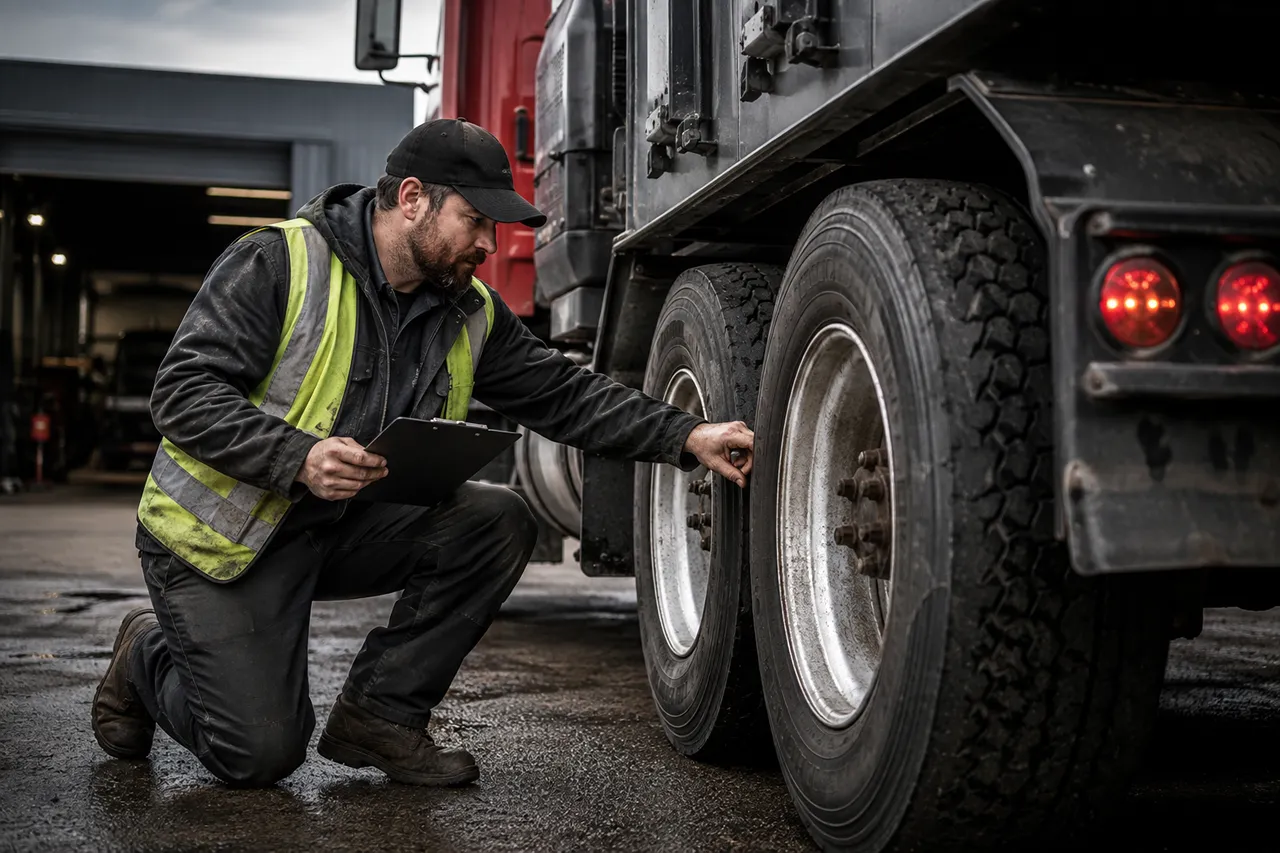
A truck can run perfectly and still have a compliance problem waiting to be found. For fleets operating through Des Moines, a roadside DOT inspection may uncover brake, tire, lighting, cargo, paperwork, or other safety defects that haven't caused noticeable driving symptoms yet.
The key is knowing what inspectors may examine and catching those problems before your truck leaves the yard.
What Does a DOT Inspection Mean for Des Moines Commercial Fleets?
Commercial vehicle inspections aren't all identical. The Commercial Vehicle Safety Alliance (CVSA) uses several inspection levels, and the scope depends on the type of inspection an officer conducts. A North American Standard Level I inspection is the most comprehensive, using a 37-step procedure that evaluates the driver and the mechanical condition of the vehicle.
For Des Moines fleets, inspection readiness matters whether you're hauling east or west on I-80, running north or south on I-35, or moving between interstate routes, terminals, and customers along I-235.
Is a Roadside DOT Inspection the Same as an Annual Inspection?
No. A roadside inspection and the required annual DOT inspection serve different purposes.
Federal regulations require covered commercial vehicles to undergo a periodic inspection at least once every 12 months. The carrier must retain the inspection report, while documentation showing the vehicle passed its periodic inspection must meet applicable federal requirements. A current periodic inspection does not prevent a truck from being selected for a roadside inspection.
Think of annual compliance as the baseline. Your truck still needs to remain safe and compliant every day it operates.
What Brake Components Do DOT Inspectors Check?
Brakes should sit near the top of any commercial truck inspection checklist. Inspectors may examine service brakes, brake hoses and tubing, air-system components, chambers, pushrod travel, drums or rotors, friction components, and tractor-trailer braking connections.
During CVSA's April 14, 2026 Brake Safety Week, inspectors examined 4,021 commercial vehicles and restricted 574—or 14.3%—from travel because of brake-related out-of-service violations. Problems included defective brakes, hoses and tubing, excessive air loss, and other critical brake-system defects.
For fleets working hard through an Iowa summer, air brake system inspection should include looking for leaks, damaged lines, worn components, and anything that could affect proper braking before dispatch. Heavy utilization and construction traffic can mean plenty of stop-and-go operation, so don't wait for a driver complaint to start checking.
What Do Inspectors Look for on Tires, Wheels, and Hubs?
Inspectors can check tire condition, tread, visible damage, inflation-related problems, exposed cord, wheels, rims, and hubs. Wheel-end condition also matters because damaged or inadequately lubricated components can create excessive heat and compromise the assembly.
Tires remain a major enforcement concern. During CVSA's 2025 International Roadcheck, tires ranked second among vehicle out-of-service violation categories, behind brake systems.
Before a high-mileage run on I-80 or I-35, a proper commercial truck tire inspection should catch cuts, abnormal wear, obvious inflation issues, wheel damage, and visible hub or wheel-end problems.
Can Lights Cause a DOT Inspection Violation?
Absolutely. A truck doesn't need a catastrophic mechanical problem to get an inspector's attention.
Inspectors can evaluate required headlamps, brake lamps, turn signals, tail lamps, clearance and identification lights, trailer lighting, and other required lighting equipment.
That's why a quick truck lighting inspection before dispatch pays off. Walk around the tractor and trailer, operate every required lamp, and fix intermittent or dead lights instead of sending the truck down the road and hoping for the best.
Do DOT Inspectors Check Steering and Suspension?
Yes. Steering and suspension inspection can involve components that directly affect stability and vehicle control, including steering mechanisms, linkage, springs, air suspension, mounting hardware, and other visibly insecure or damaged parts. CVSA's standard inspection procedures include steering-related checks as part of the vehicle examination.
Don't rely solely on poor handling or uneven tire wear to tell you something is wrong. Preventive inspection gives your shop a chance to find looseness, damage, air leaks, or deteriorating components earlier.
Are Fifth Wheels and Coupling Devices Checked?
For tractor-trailers, inspectors may evaluate fifth wheel and coupling components to make sure the tractor and trailer remain securely connected.
Inspection areas can include the fifth wheel, mounting hardware, kingpin connection, safety devices, and other applicable coupling equipment. CVSA's Level I procedure even includes a specific fifth-wheel movement check.
Lubrication matters for maintenance, but inspection readiness goes further. Mounting, locking, security, and component condition are what keep the combination safely connected.
What Does DOT Check for Cargo Securement?
Cargo securement is another standard inspection area. Depending on your freight, inspectors may examine straps, chains, binders, tie-down locations, blocking, bracing, and load positioning.
For Des Moines operators hauling general freight, equipment, construction materials, or agriculture-linked loads, securement equipment should be appropriate for the load and in serviceable condition. Loose, damaged, or inadequate equipment belongs off the truck before departure.
Are Fuel Systems, Exhaust, Frames, and Drivelines Inspected?
Yes. CVSA inspection procedures encompass fuel and exhaust systems as well as structural and driveline areas.
Visible fuel leaks, damaged exhaust components, frame problems, loose driveline parts, or other obvious defects deserve attention during preventive maintenance. A driveshaft transfers power through the driveline, so damaged or insecure driveline components aren't something to shrug off.
Wipers also matter. With summer thunderstorms rolling through central Iowa, worn wipers or visibility problems that seemed minor on a dry morning can become a much bigger safety issue in heavy rain.
What Driver Documents Can Inspectors Review?
Depending on the inspection level and the regulations that apply to the operation, the inspector may review driver and operating requirements such as:
- Commercial driver's license and applicable endorsements
- Medical certification when required
- Hours-of-service and record-of-duty status
- Seat-belt use
- Driver vehicle inspection reports when applicable
- Periodic inspection documentation
- Other required operating records
A Level I inspection specifically includes collecting driver documents, checking licensing and applicable medical credentials, reviewing record-of-duty status, and reviewing certain inspection reports.
The takeaway? Mechanical preparation isn't enough. DOT compliance documentation needs the same pre-dispatch attention as the truck.
What Problems Can Put a Commercial Truck Out of Service?
Not every violation automatically results in an out-of-service order. The exact defect and its severity determine the outcome.
CVSA's 2026 North American Standard Out-of-Service Criteria took effect April 1, 2026. Certified enforcement personnel use those criteria alongside applicable regulations to identify conditions serious enough to place a vehicle or driver out of service.
Critical problems can arise in areas including brakes, tires, steering, suspension, coupling devices, cargo securement, wheels and rims, and driver compliance. That's one more reason a rushed five-minute walk-around isn't much of an inspection strategy.
How Can Des Moines Fleets Prepare for a DOT Inspection?
Before sending a truck onto the I-35/I-80 corridor, make inspection readiness part of your normal dispatch process:
- Test every required light on the tractor and trailer.
- Inspect tires for damage, tread problems, and obvious inflation concerns.
- Check brakes and air lines for leaks, damage, and visible defects.
- Inspect coupling devices and confirm a secure tractor-trailer connection.
- Check wheels and hubs for damage, looseness, and visible leaks.
- Inspect steering and suspension for loose or damaged components.
- Verify cargo securement before movement.
- Look for obvious fluid, fuel, or exhaust-system problems.
- Confirm periodic inspection documentation is current.
- Verify driver credentials and required records before dispatch.
Consistent inspection and fleet preventive maintenance help catch developing problems before they become roadside violations, breakdowns, or expensive downtime.
Keep Your Des Moines Fleet Inspection-Ready
DOT inspection readiness isn't something you handle once a year. Brakes, tires, lights, steering, suspension, coupling equipment, cargo, documentation, and the rest of the truck need attention every time that vehicle heads onto the road.
For fleets operating around Des Moines, especially along I-80, I-35, and I-235, consistent inspections and preventive maintenance give you the best chance of catching defects in the shop instead of during an enforcement stop.
Need help getting your commercial trucks ready for the road? Contact our team at Kustom Truck and Tire to schedule heavy-duty truck inspection, maintenance, or repair service for your Des Moines-area fleet at 515-776-974.
FAQs
How often does a commercial truck need an annual DOT inspection?
Covered commercial vehicles must receive a qualifying periodic inspection at least once every 12 months under federal regulations. A current annual inspection does not exempt a vehicle from roadside inspections.
What is checked during a Level I DOT inspection?
A North American Standard Level I inspection is a 37-step procedure covering driver requirements and vehicle condition. Inspection areas include brakes, tires and wheels, steering, coupling equipment, lighting, cargo-related items, and other safety components.
Can bad brakes put a commercial truck out of service?
Yes. Brake defects can result in an out-of-service condition when they meet applicable criteria. In CVSA's 2026 Brake Safety Day inspections, 574 of 4,021 vehicles were restricted from travel for brake-related out-of-service violations.
Can an inspector check a commercial driver's paperwork?
Yes. Depending on the inspection level, inspectors may examine licensing, applicable medical certification, hours-of-service records, inspection documentation, and other required driver or carrier records.
Does passing an annual inspection mean my truck will pass a roadside inspection?
Not necessarily. The annual inspection confirms that the vehicle met periodic inspection requirements at that time. A roadside inspection evaluates applicable driver and vehicle conditions when the enforcement inspection occurs.
More Articles

.webp)
%20(2).webp)
Contact Kustom Truck & Tire
Kustom Truck & Tire offers professional diesel mechanics for light to heavy-duty truck repair, commercial fleet maintenance, and roadside assistance in Des Moines, Iowa.
Get in touch with any questions, to request a quote, and to schedule service in Des Moines or the surrounding areas!